Jika menggunakan Windows, mungkin(jendela baru) setidaknya telah(jendela baru) menyadari secara samar(jendela baru) bahwa laptop sedang memata-matai(jendela baru) Anda. Pekan ini, terdapat pengingat nyata tentang betapa invasifnya(jendela baru) sistem operasi Microsoft yang ada di mana-mana ini terhadap privasi(jendela baru).
Peter Stokes, pemuda berusia 19 tahun yang diduga sebagai anggota grup peretasan kriminal terkenal Scattered Spider(jendela baru), diekstradisi dari Finlandia ke Amerika Serikat dan dituduh meretas “Perusahaan F, peritel perhiasan mewah.”
Namun, yang membuat kasus ini menarik adalah bagaimana ia ditangkap.
Windows sebagai spyware
Menurut aduan pidana(jendela baru) FBI, Stokes menggunakan VPN untuk menyembunyikan aktivitas daringnya. Hal ini secara luas dianggap sebagai opsi yang bijaksana, karena VPN menyembunyikan alamat IP asli dari situs web yang dikunjungi dan aktivitas daring dari ISP. Namun, ia melakukan kesalahan pemula yang fatal: ia menggunakan Windows.
Pihak berwenang mengidentifikasi Stokes menggunakan catatan Microsoft yang mengaitkan komputernya dengan penggunaan mencurigakan ngrok, alat penerowongan pengembangan web yang digunakan untuk “menembus pertahanan jaringan Perusahaan F dan mengaktifkan akses tidak sah yang persisten ke pusat data Perusahaan F.”
Microsoft dapat mengidentifikasi komputer Stokes berkat Global Device Identifier (GDID) miliknya, yaitu “pengidentifikasi tingkat perangkat yang dirancang untuk mengidentifikasi secara unik instalasi sistem operasi Windows pada suatu perangkat.”
Dengan kata lain, setiap instalasi Windows memiliki GDID yang dapat digunakan Microsoft untuk mengidentifikasi perangkat (termasuk perangkat virtual), dan untuk mengumpulkan telemetri(jendela baru). Menginstal ulang Windows akan membuat GDID baru untuk perangkat tersebut, tetapi tidak menghapus GDID lama dari sistem Microsoft, sehingga masih dapat digunakan untuk mengidentifikasi perangkat.
Microsoft kemudian menyerahkan informasi ini kepada pihak ketiga.
Cara FBI menggunakan informasi yang disediakan Microsoft
Bukti ini saja tidak cukup untuk menghubungkan kejahatan tersebut dengan Stokes, tetapi mengetahui GDID memberikan riwayat alamat IP yang telah diakses perangkatnya dari waktu ke waktu kepada FBI. Untuk membuktikan bahwa IP tersebut milik Peter Stokes secara spesifik, penyelidik mencocokkan riwayat IP ini dengan riwayat masuk ke akun yang diketahui miliknya, termasuk Apple, Snapchat, Facebook, dan login game Growtopia miliknya.
Menghubungkan GDID ke akun yang diketahui milik Stokes membantu membuktikan bahwa GDID yang digunakan untuk meretas toko perhiasan tersebut adalah milik perangkat yang dimiliki oleh Stokes, menurut surat aduan tersebut.
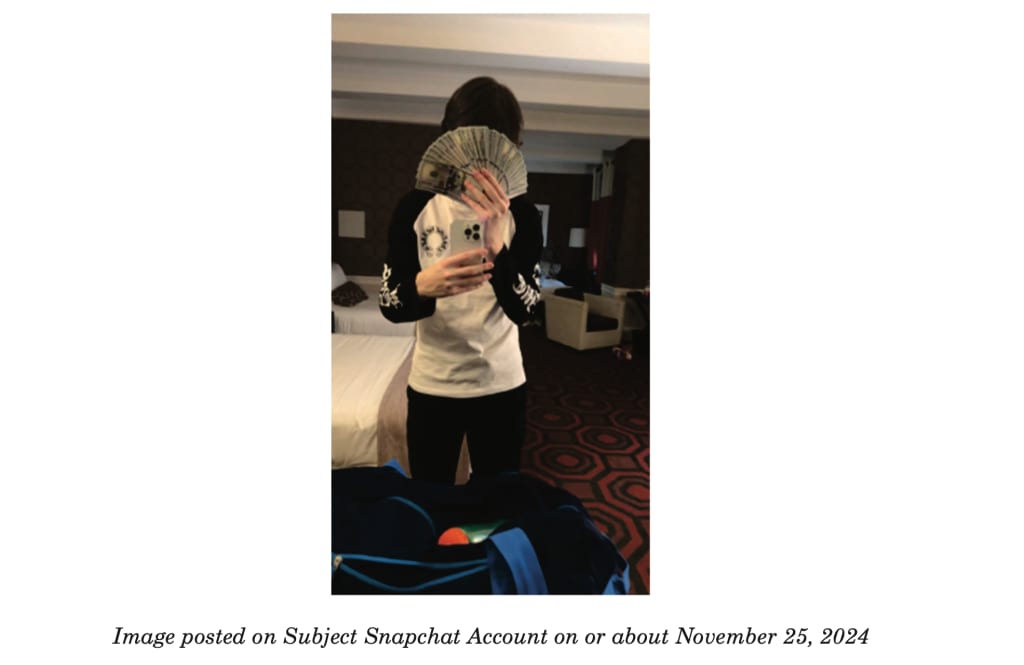
Kenyataan bahwa salah satu alamat IP yang diidentifikasi dengan cara ini merujuk ke sebuah hotel di New York yang menurut penyelidik cocok dengan interior yang terlihat dalam selfie Snapchat yang menampilkan Stokes menutupi wajahnya dengan segepok uang kertas $100 sepertinya tidak akan membantu kasusnya.
Apa artinya ini bagi kita semua?
Hal pertama yang perlu ditekankan adalah bahwa, dalam kasus ini, sistem berfungsi sebagaimana mestinya.
Stokes menghadapi dakwaan termasuk konspirasi, intrusi siber, dan pelanggaran penipuan yang terkait dengan pembayaran tebusan senilai lebih dari $100 juta di lebih dari 100 intrusi perusahaan sejak 2022. Penggunaan data Microsoft oleh FBI berada dalam kerangka hukum yang memerlukan perintah pengadilan dan surat panggilan pengadilan.
Namun, GDID menimbulkan pertanyaan penting tentang persetujuan pengguna dan siapa sebenarnya pemilik perangkat keras yang dibeli. Pengguna tidak pernah diminta untuk menyetujui GDID di perangkat, dan tidak ada cara mudah untuk menghapusnya. Bahkan menginstal ulang Windows sepenuhnya hanyalah solusi sebagian.
Di semua dokumentasi daring Microsoft yang luas, GlobalDeviceId hanya disebut sekali saja yang terkubur(jendela baru) dalam dokumen teknis yang sangat tidak jelas dan kemungkinan besar tidak akan pernah dibaca oleh siapa pun.
Namun, memang benar bahwa semua sistem operasi komersial utama lainnya, seperti macOS, Android, dan iOS, hampir pasti juga dapat mengidentifikasi perangkat secara unik kepada produsennya. Sayangnya, sebagian besar dari kita menerima situasi ini begitu saja.
Bagi yang tidak menerimanya, satu-satunya cara praktis untuk menghindari hal ini adalah dengan menggunakan sistem operasi open source, seperti Linux.