Dumb phone, basic phone, non-smartphone, minimalist phone, or feature phone — whatever you call it, these are phones built to do less. Some barely do more than call and text, while others add a few useful apps, and people are ditching their smartphones for them.
Here are some of the best dumb phones you can buy, the best options for kids, and what switching to one can do for your privacy.
- The 5 best dumb phones you can get
- Dumb phones for kids
- Why people are ditching their smartphones
- Are dumb phones more private?
- Do you need a dumb phone?
- Is a dumb phone worth it?
The 5 best dumb phones you can get
| Price | Apps | Encrypted messaging | Best for | |
| Mudita Kompakt | From 399 USD | Built-in apps, plus sideloading | Not officially supported (Sideloading only) | Easing off a smartphone |
| Sidephone SP-01 | From 299 USD | Curated app library, plus sideloading | Yes (Signal, WhatsApp) | Keeping key apps |
| Light Phone III | From 699 USD | Built-in only | No | Intentional phone use |
| TCL Flip 4 5G | From 80 USD | Built-in only (includes Google apps) | No | Trying out a dumb phone |
| Nokia 225 4G | From 50 USD | None | No | Going fully offline |
If you can’t live without a specific app, the Dumbphone Finder(ventana nueva) lets you filter phones by the apps and features you need.
1. Mudita Kompakt
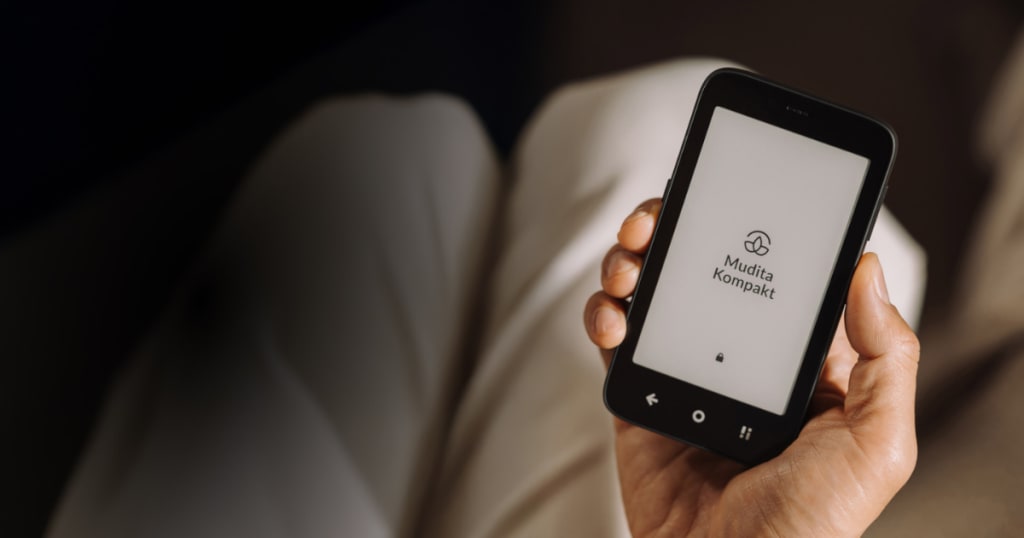
If you’re nervous about giving up your smartphone, the Mudita Kompakt is arguably the gentlest way to switch. You keep the things most people actually rely on, like maps, music, and a camera, and because it runs a de-Googled(ventana nueva) version of Android, you can sideload apps like Signal, though Mudita doesn’t guarantee they’ll work properly.
Most smartphones rely on assisted location by default, which can involve sending data to Google. The Kompakt relies on GPS alone instead. However, the MuditaOS K 1.5.0 update added optional Assisted GPS for faster location fixes. It’s off by default, so leave it that way if location privacy is part of why you’re switching.
There’s also a physical privacy switch. Flip it, and the cellular connection and microphones are cut off in hardware, while WiFi, Bluetooth, and the camera are turned off in software. Note that you can’t call emergency services when the privacy switch is on. Mudita also says the phone has no tracking or ads, and promises five years of updates.
2. Sidephone SP-01

Moving to a dumb phone means giving up most apps you rely on every day. Sidephone doesn’t ask you to give it all up. Its app library includes apps tested to work on the phone, like Uber and the popular messaging app(ventana nueva) WhatsApp(ventana nueva), as well as more private options like Signal(ventana nueva), Proton Mail(ventana nueva), and Proton VPN. And like Mudita, Sidephone runs on a de-Googled version of Android.
Sidephone promises regular bug fixes and feature updates but doesn’t specifically mention security patches, and its published privacy policy(ventana nueva) is written mainly for its online store, without detailing what the phone itself collects. Neither is a red flag on its own, but if privacy is your main reason for switching, it’s worth noting. And while you can sideload apps that aren’t in its library, Sidephone can’t guarantee they’ll work.
3. Light Phone III

The Light Phone III is designed for intentional use, so everything on it has a clear job, like providing directions, music, a flashlight, and a 50 MP camera. Nothing on it can balloon your screen time(ventana nueva). There are no browser, email, or social media apps to distract you. It feels less like a stripped-down smartphone and more like a purpose-built tool.
That’s also great for your privacy. Without a browser or third-party apps, there are fewer ways for trackers to reach you. The trade-off is that you’re back to regular calls and texts. Unlike apps like Signal(ventana nueva), SMS(ventana nueva) isn’t end-to-end encrypted.
The bigger hurdle is the price. At about 699 USD, you’re paying close to flagship smartphone money for a phone that does a lot less. So it’s worth being sure you’ll stick with it.
4. TCL Flip 4 5G
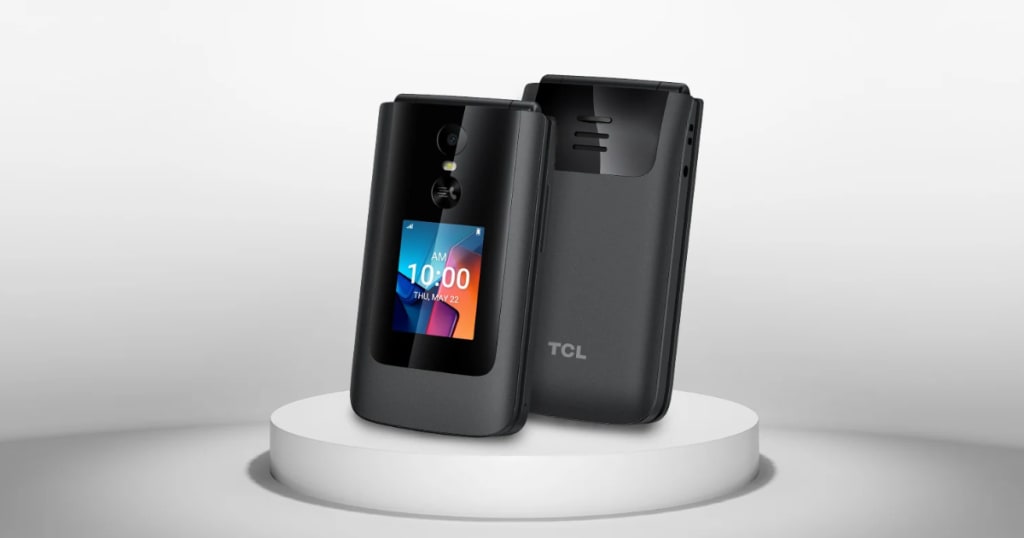
At about 80 USD, the TCL Flip 4 5G is a low-commitment way to try a non-smartphone. It makes the transition easy, too — with built-in apps for Google Maps, YouTube, email, and a web browser.
Privacy is a big compromise, though. The built-in apps come from Google, so you’re not stepping away from Google’s data collection(ventana nueva). And since you can browse the web on it but can’t run a VPN, your browsing isn’t as protected as it could be. A UN telecoms agency report(ventana nueva) also found that because budget KaiOS phones are built to be as cheap as possible, makers rarely put in the effort to keep them updated once they’re on sale. That leaves you vulnerable to security flaws that could remain unpatched for a long time.
5. Nokia 225 4G
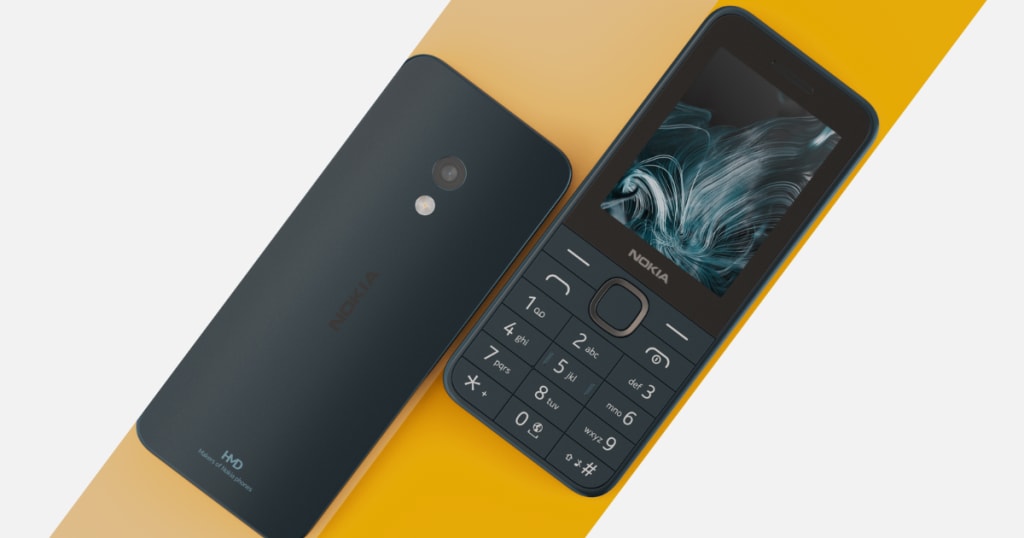
This one’s on the deep end of the dumb phone pool. The Nokia 225 4G is as basic as they come today — it makes calls, sends texts, can go online, but not much else.
This extreme simplicity is also its privacy strength. With no third-party apps, there’s nothing quietly gathering your data in the background. It does have a basic browser, but it is extremely limited, making it suitable for quick searches only. Don’t expect to browse, navigate, or watch videos on this thing. Most people would struggle to use it full-time, but it makes a good travel backup, a phone for older relatives, or a first phone for a child.
Dumb phones for kids
Before buying your child their first phone, check three things:
- Whether there are ways to limit them going online.
- Whether you can control what gets installed.
- Whether you’d be okay if it got lost.
Even on our list, the answers vary. The TCL Flip 4 comes with YouTube and a web browser, the Sidephone has no parental controls, and the Light Phone III is costly to lose.
For a first phone, a basic one like the Nokia 225 4G is hard to beat. Your child can call you when needed, they can text friends, and there are no apps to compete for your child’s attention. It’s also cheap enough that losing it probably isn’t a disaster. Our guide to the right age for introducing tech(ventana nueva) is a great resource to help you decide what’s appropriate and when.
If you want more control, consider looking at brands that build phones specifically for children. Gabb’s basic phones leave out the browser and social media entirely, while MMGuardian and Bark Phones use monitoring software that scans your child’s activity. Just keep in mind that if a company scans your child’s phone use and messages, it can potentially read them too. So check what it stores and for how long.
Why people are ditching their smartphones
The dumb phone revival is part of a wider digital minimalism(ventana nueva) shift, where people use technology on purpose, rather than by default. Many start with screen-time limits or app blockers, but find willpower only goes so far when the most addictive apps are always in their pocket. A dumb phone removes the temptation entirely.
For others, privacy is their reason for switching. Every app on your smartphone is another company that can see a slice of your life(ventana nueva): where you go, who you talk to, what you search for, and how long you linger on each post. Many of those apps are free because your data is the product. A phone with few or no apps has far fewer companies looking over your shoulder.
Are dumb phones more private?
For everyday privacy, yes. Most of the data a smartphone gives away comes from its apps, and a dumb phone simply doesn’t have them. That matters more than you might realise — in 2024, the FTC banned data broker X-Mode(ventana nueva) from selling sensitive and precise location data it collected through code in other companies’ apps. A basic phone without any of those apps gives companies nothing to collect. And if you lose your dumb phone, there’s no email inbox or banking app for bad actors to steal from.
That said, dumb phones aren’t bulletproof. More often than not, you’re stuck with regular, unencrypted SMS(ventana nueva). Unless your chosen dumb phone can support encrypted messaging apps like Signal, your messages are less protected than they would be on a smartphone. Many dumb phones can’t run a VPN app either, so your connection isn’t as secure as it could be. Security updates can also be a concern. If your dumb phone is from a small brand or is a dirt-cheap budget model, security patches might be few and far between. So check what a phone’s maker promises before you buy.
Do you need a dumb phone?
Not necessarily. You don’t need to buy anything and can get many of the same benefits by stripping back your current phone. Make use of digital minimalism practices(ventana nueva) to get there: delete apps you haven’t used in months, turn off notifications for non-essential apps, and utilize screen time limits to restrict how long you use your phone.
But we get it. For some of us, something that nudges us in the right direction is far more effective than relying on willpower and software limits that can be overridden. Beyond that, there are practical reasons for some groups to carry a basic phone:
- Investigative journalists: A journalist’s phone can hold sources’ names, unpublished reporting, and years of private messages. A basic phone with no inbox or messaging history leaves little to hand over if it’s searched. And searches are becoming more common — US border agents searched a record 55,318 devices(ventana nueva) in 2025.
- Government staff: When the UK prime minister’s team traveled to China in 2026, everyone was issued temporary phones(ventana nueva), SIM cards, and laptops, and told to leave personal devices at home. The logic is simple: a phone that holds nothing can’t give anything away. For government staff whose department doesn’t issue travel phones, a basic phone is a cheap way to follow this principle.
- Finance staff and traders: Regulators require financial firms to keep records of business conversations. US regulators have fined Wall Street firms more than 2.5 billion USD(ventana nueva) because staff discussed deals over messaging apps and personal texts that weren’t saved. A basic personal phone with no chat apps makes it much harder to slip into off-the-record chats.
- Older relatives: A dumb phone with basic functions is easier and safer for older folk than a hand-me-down smartphone full of notifications and scam-prone apps.
Is a dumb phone worth it?
It is if your smartphone is costing you more than it gives back, whether that’s your attention or data.
A dumb phone won’t fix your relationship with technology on its own, but it changes what’s within reach. When the phone in your pocket can’t scroll, track, or nudge you, what’s left is a tool you pick up on purpose and put down when you’re done.
Whichever you choose, remember that a dumb phone only removes one source of tracking. Your email, cloud storage, and messages still live somewhere, and you’ll likely check them on a laptop or tablet instead. Moving them to end-to-end encrypted services(ventana nueva) means the privacy you gain from your phone doesn’t leak out everywhere else.