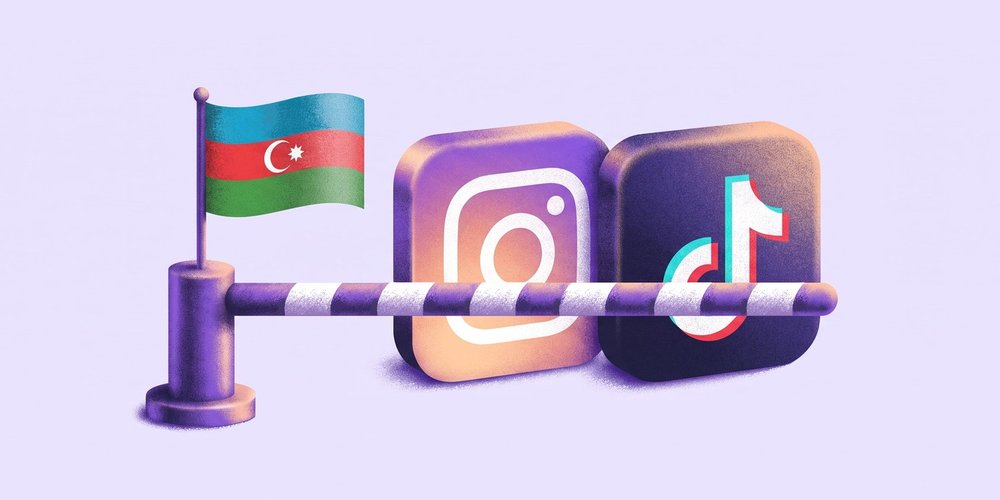
On October 23, Greece passed a law that bans children under 15 from social media. The law sets 15 as the minimum age(nowe okno) for online social networking services. It takes effect on January 1, 2027(nowe okno).
The law puts the work of checking ages on social media platforms. Critics warn this could mean every person in Greece, not only children, has to prove their age to use social media.
What happened?
On April 8, 2026, Prime Minister Kyriakos Mitsotakis said Greece would ban social media for children under 15 from January 1, 2027(nowe okno). He announced it in a video message to young people, citing anxiety, sleep problems, and the addictive design of online platforms.
The government had planned to bring the bill to Parliament in August. Digital Governance and Artificial Intelligence Minister Dimitris Papastergiou said it waited two months(nowe okno) because the European Union was preparing its own rules for children online.
On the evening of October 9, 2026, Minister of State Akis Skertsos filed the bill in Parliament(nowe okno). Its title is “Prohibition of the use of online social networking services by minors”.
Parliamentary committees approved the bill on October 19(nowe okno). After a plenary debate lasting more than 16 hours, Parliament passed it with votes from the governing New Democracy party alone(nowe okno). PASOK abstained, while SYRIZA, Greek Solution, the Communist Party of Greece (KKE), Niki, and Course of Freedom voted against.
What the law does
The bill sets out these main points:
- Age limit: Nobody under 15 may use online social networking services. The bill presents this as a measure to protect children’s physical and mental health(nowe okno).
- Age checks: The bill suggests the state’s Gov.gr Wallet and Kids Wallet apps for checking ages. It says platforms may also use other solutions that meet EU law(nowe okno).
- Supervision: The National Council for Radio and Television and the Hellenic Data Protection Authority supervise how the law is applied(nowe okno).
- Services covered: In April, the government said the law would cover platforms where users make profiles, interact, and share content, such as Facebook, Instagram, and TikTok(nowe okno). The law applies to any platform that provides social networking services, including Facebook, Instagram, TikTok, and LinkedIn(nowe okno). Messaging apps remain available(nowe okno) to under-15s.
- Penalties: The April plans included fines of up to 6% of a company’s global turnover(nowe okno), daily fines until a platform complies, or limits on its operations. The law itself sets no separate national fines. Platforms that break it face enforcement under the EU’s Digital Services Act(nowe okno), and there are no new fines for children or parents(nowe okno).
Accounts created before the law takes effect aren’t exempt(nowe okno), and parents can’t give children permission(nowe okno) to use covered platforms.
Every adult in Greece may have to prove their age
Under the April plans, platforms must check the age of all users in the country again(nowe okno). This means adults too.
The government says its Kids Wallet doesn’t share a date of birth or any identity details(nowe okno). According to Papastergiou, it only tells the platform whether a user is above or below the age limit.
In May, 25 organizations, including groups working on mental health, human rights, child protection, and digital rights, sent the government a 19-page letter(nowe okno) criticizing the plan. They made these main points:
- Everyone would be checked: In practice, everyone in Greece might need to prove their age before using social media.
- Less anonymity: Digital wallets and identity checks could turn internet access into constant monitoring and reduce anonymity online(nowe okno).
- No real consultation: There was no meaningful public consultation with scientists, parents, teachers, or children.
- More risk for children: Children may turn to VPNs or unregulated platforms, which could put their personal data at greater risk.
We’ll just note that this last point is only true if they choose a free no-name VPN that monetizes its “free” service by selling users’ data to ad-tech networks. We don’t condone using a VPN to bypass age verification laws, but as a more general point, a reputable no-logs VPN with a clear business model increases, not decreases, children’s safety online.
The same letter asked why YouTube appeared to be left out. It also warned that the law could reach small community networks such as Mastodon, which don’t use algorithms designed to keep people scrolling.
In a separate plan, the government has also said it wants to end anonymous accounts on social media(nowe okno).
Even the minister expects some families to get around the checks. If a parent uses their own ID for a child’s age check, Papastergiou said, “then obviously we have failed”.(nowe okno)
Greece is one of several countries doing this
Australia’s ban for children under 16 took effect on December 10, 2025(nowe okno). France’s parliament passed a ban for children under 15 in July 2026, but the country’s Constitutional Council struck it down in August(nowe okno). Denmark and Austria have announced their own plans.
The European Union is also preparing rules, known as the EU Kids Act. Papastergiou said Greece will adjust its law(nowe okno) when the EU rules are passed.
We’ve seen age checks change how people use the internet before. When the UK started requiring age checks under its Online Safety Act, many adults were reluctant to upload ID to see legal content.
There are better ways to protect children online
Protecting children online is a real and urgent goal, and the organizations that criticized the law say so too. But checking everyone’s age is a blunt tool. A platform can’t keep under-15s out without checking everyone else, so a law written for children ends up collecting data about every adult.
That data creates new risks. Any store of IDs, face scans, or birth dates is a target for attackers, and ID data collected for age checks can leak(nowe okno). In the UK, high-profile data breaches left many people reluctant to hand over ID when age checks began. Age checks also wear away online anonymity, as the 25 organizations warned.
And age checks don’t always work. Greece’s own minister expects some parents to verify on their children’s behalf, and in Australia, teens have already found ways around the rules(nowe okno).
Less blunt solutions exist:
- Share less: An age check should tell a platform only whether someone is over or under the limit, and nothing more. In fairness, the Greek government says its Kids Wallet is designed to work this way.
- Check on the device: Age checks that run on your own device, with open-source code anyone can inspect, keep personal data out of platforms’ hands.
- Put parents in charge: Parents, not tech companies, are best placed to decide what their children can access.
- Fix the design: Mitsotakis blamed the addictive design of online platforms. Rules that target endless feeds and engagement-maximizing features go after that problem directly, without identifying anyone.
Greece says it will adjust its law once the EU’s rules are passed. That’s a chance to choose tools that protect children without making every adult prove who they are.